Single-split shaft collars are used when a machine needs a removable axial stop, position reference or locating element on a round shaft. The EP-SCS range covers compact metric shafts through larger machinery sizes, but the correct model depends on the complete assembly rather than the application name alone.
Different machines create different fit risks. Linear systems emphasize carriage travel and end-of-stroke clearance; motor and drive assemblies emphasize nearby couplings, pulleys and guards; robotics and compact automation emphasize moving envelopes; general machinery often adds replacement, contamination and service-access questions.
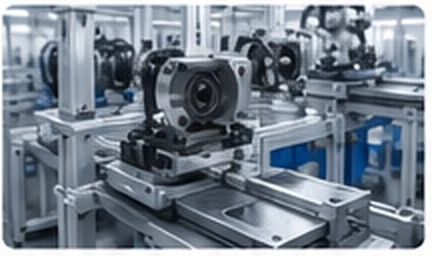 CNC & AutomationGuide-shaft stops, axial references and compact machine positioning.
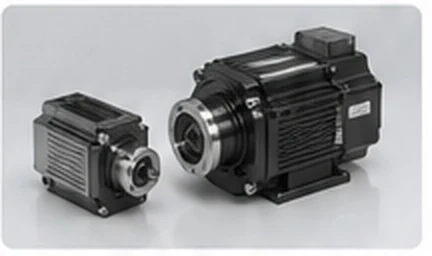 Motors & DrivesLocation beside couplings, pulleys and other shaft-mounted components.
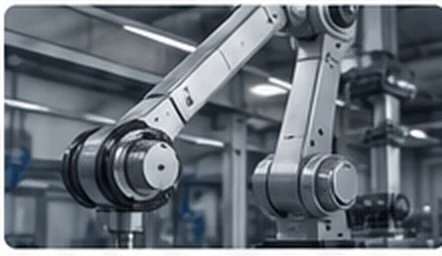 Robotics & 3D PrintingLightweight stops and locators on lead screws and guide shafts.
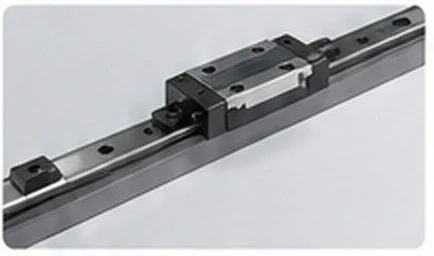 Industrial MachineryMechanical stops and component location in packaging, conveying and custom machinery.
Application-Based Selection Questions
| Application | Primary Checks | Useful RFQ Detail |
|---|---|---|
| Linear axis / guide shaft | Shaft diameter, stop position, carriage clearance, end-of-travel condition | Travel sketch and whether the collar is a setup reference or hard stop. |
| Motor / drive assembly | Shaft diameter, coupling/pulley position, radial space, screw access | Photo or drawing of neighboring drive components. |
| Robotics / 3D printing | Lead-screw or guide-shaft size, moving envelope, repeated adjustment | Available radial/axial space and adjustment frequency. |
| General machinery | Shaft size, adjacent hardware, environment, replacement dimensions | Existing collar dimensions, shaft condition and application description. |
Axial Stop, Locator or Paired Positioning
One collar can establish a stop or reference at a selected point on the shaft. Two collars can be placed on opposite sides of another component when the machine requires an adjustable axial location window, provided the surrounding parts have the clearance and functional support they need.
The collar should not automatically be treated as a bearing shoulder, coupling, key or torque-transmitting element. Keep the functional responsibilities of those components separate unless the machine design has specifically assigned a different role.
Replacement Fit Is More Than Bore Size
A matching nominal bore does not prove interchangeability. Compare outside diameter, body width, clamp-screw location and any keyway requirement with the actual machine, especially when replacing a set-screw collar or an unidentified legacy component.
For a faster application review, send the measured shaft, a photo or sketch of the installation area and a short note describing what the collar is expected to do. That information usually resolves more selection questions than the equipment model name alone.