Engineering Note
Shaft Clamp vs Set Screw Shaft Collar: Which Is Right for Your Application?
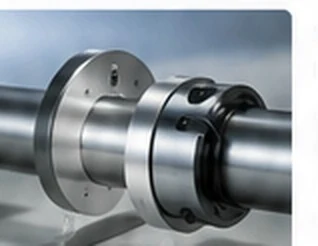
Shaft clamps and set-screw shaft collars can both create an axial reference on a round shaft, but they apply clamping force in different ways. The better choice depends on shaft-surface concerns, adjustment frequency, available space and the actual duty of the locating point.
For buyers comparing an existing set-screw collar with an EP-SCS single-split collar, the main lesson is simple: do not compare bore alone. Body envelope, screw access and the way each collar contacts the shaft can change the fit even when both parts are labeled for the same nominal diameter.
How a Single-Split Clamp Collar Holds
A single-split collar closes around the shaft as the clamp screw draws the split together. The gripping action is distributed around the bore, which avoids relying on one screw point pressing directly into the shaft surface.
This format is useful for setup references and adjustable stops because the collar can be loosened, repositioned and tightened again. The shaft still needs to be correctly sized and clean, and performance-critical applications should use the tightening requirement confirmed for the ordered configuration.
How a Set-Screw Collar Differs
A set-screw collar is secured by a screw that bears directly against the shaft. That can be a compact and simple arrangement, but the point contact may mark the shaft and can create a different service experience when the collar must be moved repeatedly.
Changing from one style to the other can also change the outside diameter, width and screw position. Before treating a clamp collar as a replacement, measure the old part and inspect the surrounding machine for radial and axial clearance.
Shaft Surface and Repositioning
If the shaft surface must remain relatively free of point indentations, the clamp-style geometry is often attractive because it does not depend on one set screw bearing into the shaft. That benefit is most relevant when the collar is used as a locating or stop component rather than as a substitute for other machine functions.
Repositioning should still be done carefully. Loosen the collar sufficiently before sliding it, keep the contact surfaces clean and inspect the shaft if the assembly has seen impact, corrosion or contamination.
Envelope and Service Access
A clamp collar can be wider or larger in outside diameter than a compact set-screw design. Measure the available radial envelope around bearings, carriages, pulleys, couplings and guards, and make sure the clamp screw can be reached after the machine is assembled.
On a linear axis, also check the full travel path. A collar that fits statically can still interfere with a moving carriage or cable path at another machine position.
When the Clamp Style Is a Strong Candidate
- Adjustable guide-shaft or fixture stops.
- Positions that may be changed during commissioning or maintenance.
- Applications where avoiding one point of direct screw contact on the shaft is desirable.
- Paired-collar arrangements used to define an adjustable axial position window.
Replacement Checklist
| Check | Why It Matters |
|---|---|
| Shaft diameter | Defines the starting bore size. |
| Old collar OD/width | Shows whether the new body fits the existing envelope. |
| Screw access | Determines whether the clamp can be installed and serviced. |
| Keyway | Must match the complete mating shaft/key interface if required. |
| Duty | Distinguishes a simple locator from a repeated-impact or high-demand condition. |
Further Reading
For additional split-collar terminology, you can also review splitcollar.com. Use third-party information as general context; final selection for this site should be based on the EP-SCS dimensions and the measured shaft interface.
Next Step
Compare your shaft and machine envelope with the EP-SCS range, then send the model, quantity and application when you are ready for a quotation. A photo or drawing is recommended whenever the replacement space is tight or the old collar style is different.