Product Description
Key attributes of Customized Machining Service Auto CNC Spare Part Engine Crankshaft in Car Motor
Industry-specific attributes of Customized Machining Service Auto CNC Spare Part Engine Crankshaft in Car Motor
| CNC Machining or Not | Cnc Machining |
| Material Capabilities | Aluminum, Brass, Bronze, Copper, Hardened Metals, Precious Metals, Stainless steel, Steel Alloys |
Other attributes of Customized Machining Service Auto CNC Spare Part Engine Crankshaft in Car Motor
| Place of Origin | ZheJiang , China |
| Type | Broaching, DRILLING, Etching / Chemical Machining, Laser Machining, Milling, Other Machining Services, Turning, Wire EDM |
| Model Number | OEM |
| Brand Name | OEM |
| Material | Metal |
| Process | Cnc Machining+deburrs |
| Surface treatment | Customer’s Request |
| Equipment | CNC Machining Centres / Core moving machine / precision lathe / Automatic loading and unloading equipment |
| Processing Type | Milling / Turning / Stamping |
| OEM/ODM | OEM & ODM CNC Milling Turning Machining Service |
| Drawing Format | 2D/(PDF/CAD)3D(IGES/STEP) |
| Our Service | OEM ODM Customers’drawing |
| Materials Avaliable | Stainless Steel / Aluminum / Metals / Copper / Plastic |
Best Seller of 304 Stainless Steel Polishing Finishing CNC Machining Bracket for Laser Cutting
About YiSheng
| Business Type | Factory / Manufacturer |
| Service | CNC Machining |
| Turning and Milling | |
| CNC Turning | |
| OEM Parts | |
| Material | 1). Aluminum: AL 6061-T6, 6063, 7075-T etc |
| 2). Stainless steel: 303,304,316L, 17-4(SUS630) etc | |
| 3). Steel: 4140, Q235, Q345B,20#,45# etc. | |
| 4). Titanium: TA1,TA2/GR2, TA4/GR5, TC4, TC18 etc | |
| 5). Brass: C36000 (HPb62), C37700 (HPb59), C26800 (H68), C22000(H90) etc | |
| 6). Copper, bronze, Magnesium alloy, Delrin, POM,Acrylic, PC, etc. | |
| Finish | Sandblasting, Anodize color, Blackenning, Zinc/Nickl Plating, Polish, |
| Power coating, Passivation PVD, Titanium Plating, Electrogalvanizing, | |
| electroplating chromium, electrophoresis, QPQ(Quench-Polish-Quench), | |
| Electro Polishing,Chrome Plating, Knurl, Laser etch Logo, etc. | |
| Main Equipment | CNC Machining center, CNC Lathe, precision lathe |
| Automatic loading and unloading equipment | |
| Core moving machine | |
| Drawing format | STEP,STP,GIS,CAD,PDF,DWG,DXF etc or samples. |
| Tolerance | +/-0.001mm ~ +/-0.05mm |
| Surface roughness | Ra 0.1~3.2 |
| Test Equipment | Complete test lab with Projector, High-low temperature test chamber, Tensile tester Gauge, Salt fog test |
| Inspection | Complete inspection lab with Micrometer, Optical Comparator, Caliper Vernier,CMM |
| Depth Caliper Vernier, Universal Protractor, Clock Gauge | |
| Capacity | CNC turning work range: φ0.5mm-φ150mm*300mm |
| CNC center work range: 510mm*850mm*500mm | |
| Core moving machine work range: φ32mm*85mm | |
| Gerenal Tolerance: (+/-mm) |
CNC Machining: 0.005 |
| Core moving: 0.005 | |
| Turning: 0.005 | |
| Grinding(Flatness/in2): 0.003 | |
| ID/OD Grinding: 0.002 | |
| Wire-Cutting: 0.002 |
RFQ of Customized Machining Service Auto CNC Spare Part Engine Crankshaft in Car Motor
| Certification: | ISO9001 |
|---|---|
| Standard: | DIN, ASTM, GOST, GB, JIS, ANSI, BS |
| Customized: | Customized |
| Customization: |
Available
| Customized Request |
|---|
.shipping-cost-tm .tm-status-off{background: none;padding:0;color: #1470cc}
|
Shipping Cost:
Estimated freight per unit. |
about shipping cost and estimated delivery time. |
|---|
| Payment Method: |
|
|---|---|
|
Initial Payment Full Payment |
| Currency: | US$ |
|---|
| Return&refunds: | You can apply for a refund up to 30 days after receipt of the products. |
|---|
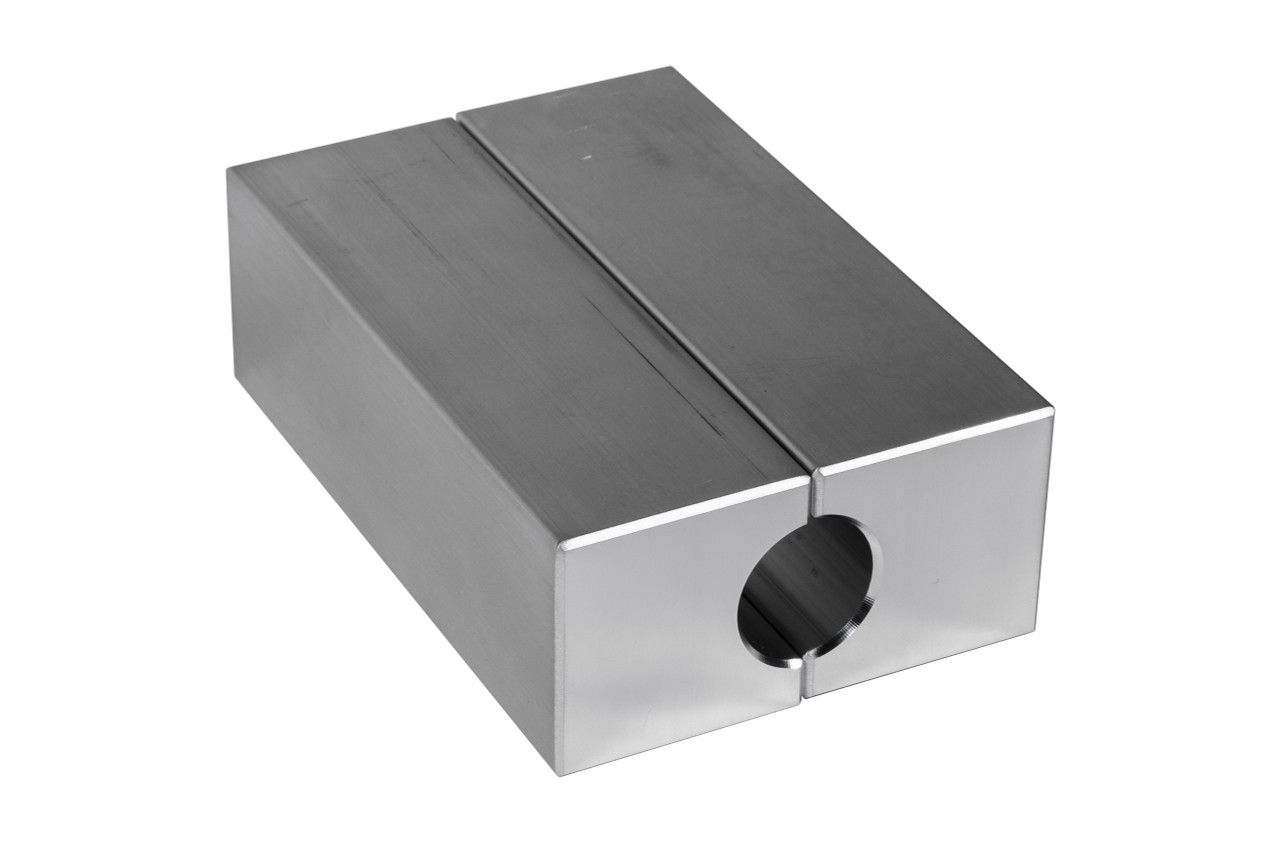
Are there educational resources on troubleshooting common issues with shaft clamps?
Yes, there are educational resources available to help troubleshoot common issues with shaft clamps. Here’s a detailed explanation:
When encountering problems with shaft clamps, it can be helpful to refer to educational resources that provide guidance on troubleshooting and resolving common issues. These resources can offer valuable insights into identifying and addressing problems related to shaft clamps. Here are some examples of educational resources:
1. Manufacturer’s Documentation:
The manufacturer of the shaft clamp may provide detailed documentation that includes troubleshooting information. This documentation can include user manuals, technical guides, or FAQs that address common issues and their resolutions for the specific clamp model. It’s highly recommended to consult the manufacturer’s documentation as a primary resource for troubleshooting.
2. Online Forums and Communities:
Online forums and communities focused on engineering, machinery, or specific industries can be a valuable source of information. These platforms often have discussions and threads dedicated to troubleshooting issues related to shaft clamps. Participating in these forums allows you to interact with experienced professionals, share problems, and seek advice on resolving specific issues.
3. Industry Publications and Magazines:
Industry publications and magazines related to mechanical engineering, machinery, or specific sectors often feature articles, case studies, or technical guides that address common issues encountered with shaft clamps. These resources provide insights into real-world applications and troubleshooting approaches.
4. Professional Associations and Organizations:
Professional associations and organizations related to mechanical engineering and specific industries may offer educational resources on troubleshooting common issues. They may provide technical papers, guidelines, or training materials that cover the topic of shaft clamp troubleshooting. These resources are often developed by experts in the field and can provide valuable insights.
5. Webinars and Online Courses:
Webinars and online courses focused on mechanical engineering or machinery maintenance may include modules or sessions dedicated to troubleshooting shaft clamps. These educational platforms offer interactive learning experiences and provide guidance on identifying, diagnosing, and resolving common issues related to shaft clamps.
When utilizing these educational resources, it’s important to critically evaluate the information and ensure that it aligns with the specific type and model of the shaft clamp you are troubleshooting. Every shaft clamp design may have unique characteristics and considerations. In complex or critical situations, it’s advisable to consult with industry experts or seek professional assistance to ensure accurate troubleshooting and resolution.
By leveraging these educational resources, you can enhance your knowledge and problem-solving skills, enabling you to effectively troubleshoot common issues with shaft clamps and ensure their optimal performance in machinery.
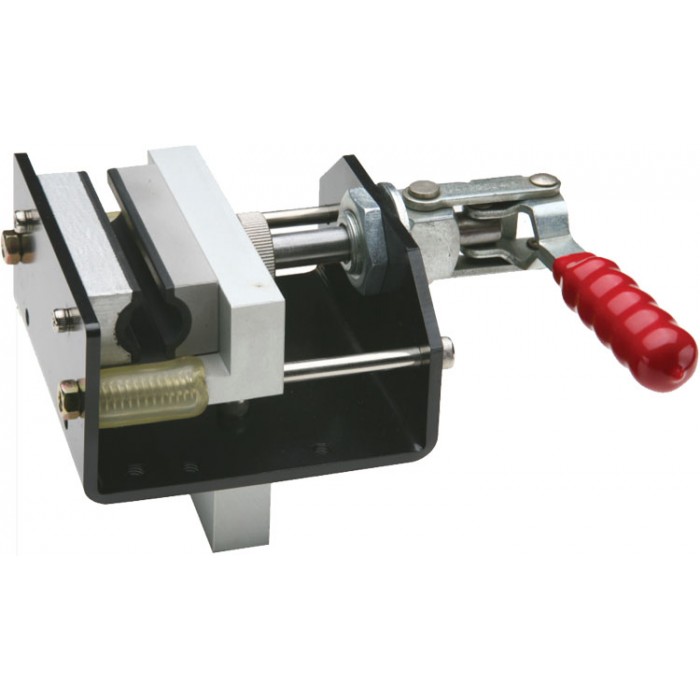
Can I get advice on choosing shaft clamps for applications with varying loads?
Yes, you can receive advice on choosing shaft clamps for applications with varying loads. When selecting shaft clamps for such applications, it is important to consider certain factors to ensure optimal performance and reliability. Here are some key points to consider:
- Load Capacity: The first and foremost consideration is the load capacity of the shaft clamp. Determine the maximum expected load that the clamp will need to handle in your application. This includes both static loads (constant loads) and dynamic loads (loads that change over time). Check the specifications provided by the manufacturer to ensure that the selected shaft clamp can withstand the anticipated loads.
- Material Strength: The material strength of the shaft clamp is crucial for applications with varying loads. Higher strength materials, such as stainless steel or hardened alloys, are often preferred as they offer better resistance to deformation under heavy or fluctuating loads. Consider the material properties of the shaft clamp and choose a material that matches the load requirements of your application.
- Clamping Mechanism: Different shaft clamps employ various clamping mechanisms, such as set screws, split collars, or compression clamps. Evaluate the effectiveness of the clamping mechanism in maintaining a secure grip on the shaft under varying loads. Some mechanisms may be better suited for specific load conditions, so choose a design that aligns with the load characteristics of your application.
- Adjustability: Applications with varying loads may benefit from shaft clamps that offer adjustability. Look for clamps that allow for easy adjustment or repositioning of the clamp along the shaft. This flexibility enables fine-tuning the clamping force, accommodating different load conditions, and optimizing the performance of the assembly.
- Anti-Vibration Features: In applications with varying loads, vibration can be a concern. Consider shaft clamps that incorporate anti-vibration features, such as damping elements or serrated contact surfaces. These features help minimize the effects of vibrations, ensuring a secure connection between the shaft and the components even under dynamic load conditions.
- Application Specific Requirements: Each application may have unique requirements that should be taken into account when selecting shaft clamps. Consider factors such as environmental conditions (temperature, moisture, chemicals), operating speed, shaft material, and compatibility with other components in the assembly. Ensure that the chosen shaft clamps are suitable for the specific demands of your application.
Additionally, consulting with industry experts, mechanical engineers, or suppliers specializing in shaft clamps can provide valuable advice and guidance tailored to your specific application. They can help analyze the load characteristics, recommend suitable shaft clamp options, and offer insights based on their experience and knowledge.
By considering these factors and seeking expert advice, you can choose shaft clamps that are well-suited for applications with varying loads, ensuring reliable and efficient operation of your mechanical assemblies.
Can I get recommendations for shaft clamps suitable for different shaft diameters?
When it comes to selecting shaft clamps for different shaft diameters, it is important to consider the specific requirements of your application. While I can’t provide specific product recommendations as an AI, I can offer some general guidelines to help you in your search. Here’s what you should keep in mind:
1. Determine the Shaft Diameter Range: Measure the diameter of the shaft or shafts you are working with. This will give you the range of shaft diameters that you need to consider when selecting shaft clamps. Note down the minimum and maximum diameter values.
2. Research Shaft Clamp Manufacturers: Look for reputable manufacturers or suppliers that specialize in mechanical components, including shaft clamps. Visit their websites or contact them directly to explore their product offerings.
3. Check Product Specifications: Once you have identified potential shaft clamp manufacturers, review the product specifications of their shaft clamps. Look for information on the range of shaft diameters that each clamp can accommodate. Manufacturers typically provide this information in their product datasheets or catalogs.
4. Consult with Manufacturers or Distributors: If you have specific requirements or need assistance in selecting the right shaft clamps for your application, reach out to the manufacturers or distributors. They can provide expert guidance and recommendations based on your shaft diameter range and other application needs.
5. Consider Adjustable Shaft Clamps: Some shaft clamps are designed with adjustable features to accommodate a range of shaft diameters. These clamps often have a split design or include adjustable screws or levers that allow for flexibility in sizing. Adjustable shaft clamps can be a convenient option if you are working with multiple shaft diameters or if you anticipate changes in shaft sizes in the future.
6. Evaluate Material and Design Considerations: Take into account the material and design of the shaft clamps. Consider factors such as load capacity, environmental conditions, and compatibility with the components being secured. Choose a shaft clamp that not only fits the shaft diameter but also meets the specific requirements of your application.
Remember, the suitability of a shaft clamp is not solely determined by the shaft diameter range it can accommodate. It is crucial to consider all relevant factors, including load capacity, material compatibility, and environmental considerations, to ensure a reliable and secure connection between the shaft and the components being secured.
By following these guidelines and working closely with manufacturers or distributors, you can find shaft clamps that are suitable for different shaft diameters in your specific application.


editor by CX 2023-11-27